
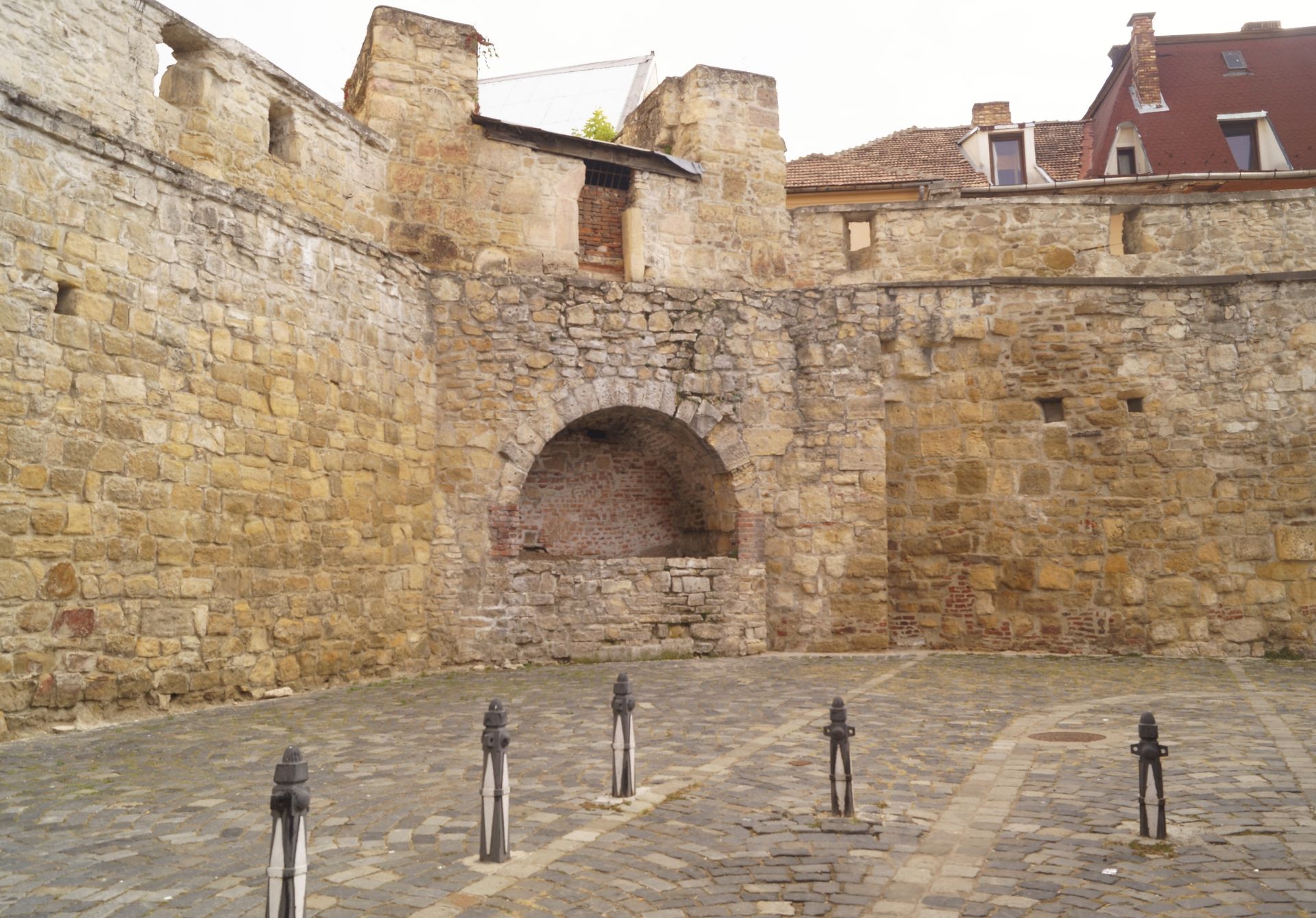
When you think of Cluj-Napoca, you might picture bustling cafés, vibrant student life, and modern tech hubs. But tucked away in quiet corners of this Transylvanian gem are fragments of a dramatic past—the Old City Walls that once guarded one of medieval Europe’s most formidable fortresses.
The Medieval Fortress That Protected a Kingdom
Back in the 15th century, Cluj wasn’t just another town—it was a royal free city with serious clout. Between the 1400s and the late 1500s, the city constructed an impressive defensive system that would make any medieval ruler proud. We’re talking about fortifications that covered approximately 45 hectares, complete with stone walls stretching about three kilometers around the city center.
Picture this: 18 defensive towers standing sentinel, six major gatehouses controlling access to the city, and walls built entirely from stone blocks with strategically placed loopholes for archers. The fortress wasn’t just for show—it was serious business, designed to protect Cluj during its golden age as a political and economic powerhouse of the Principality of Transylvania.
What’s Left Today? A Treasure Hunt Through Time
Here’s the thing about visiting Cluj-Napoca’s old walls—they’re not going to smack you in the face like some grand monument. They’re subtle, tucked away, almost shy. And that’s part of their charm. Most of the original fortifications were dismantled over the centuries, but what remains tells a compelling story.
The main remnant you’ll want to track down is along Strada Potaissa, hidden in a pedestrian corner of the Old Town. It’s one of those spots where you might walk right past it if you’re not paying attention, but once you find it, you’ll feel like you’ve discovered a secret portal to the past.
The Towers That Refused to Fall
Two defensive towers managed to survive the test of time, and they’re absolute must-sees:
- Tailor’s Bastion (Turnul Croitorilor): Located in the southeast corner of the old citadel, this 15th-century beauty gets its name from the guild of tailors who were responsible for guarding and maintaining this section of the wall. Today, it’s been transformed into a cultural center, giving it new life while honoring its historical significance.
- Firefighters’ Tower (Turnul Pompierilor): Built in the late 15th century, this tower pulled double duty starting in 1585—not only defending the city but also serving as a fire watchtower. After extensive restoration work, it now stands as a proud reflection of Cluj’s layered history, combining medieval military architecture with civic functionality.
Why These Walls Matter for Your Visit
Look, Cluj-Napoca isn’t going to give up its historical treasures easily. The city has modernized beautifully, but that means many historical markers are “tucked away or further out,” as seasoned travelers note. The walls and towers represent rare physical connections to the city’s medieval heyday.
For tourists and concierge services, here’s what makes the Old City Walls special:
- They’re off the typical tourist radar, meaning you’ll get a more authentic, less crowded experience
- Perfect for history buffs who want to dig deeper than the standard Old Town square offerings
- Great for photography—the contrast between medieval stone and modern street life is striking
- They’re walkable and centrally located, easy to incorporate into a broader Old Town walking tour
- The cultural centers in the towers often host exhibitions and events, adding contemporary culture to historical architecture
Planning Your Wall Walk
The beauty of exploring Cluj’s old fortifications is that they’re integrated into the fabric of the city. Start in the Old Town area, where most key attractions cluster together. The atmosphere shifts throughout the day—quiet and peaceful in the morning, lively during lunch, and buzzing with student energy in the evenings thanks to Cluj’s substantial university population.
Since the walls aren’t intact as a continuous structure, think of your visit as a historical scavenger hunt rather than a linear tour. Hit Strada Potaissa for the main wall fragments, then make your way to both towers. Each location offers a different perspective on how this fortress city once operated.
The Bigger Picture: Cluj’s Layered History
What makes these walls particularly fascinating is how they represent just one chapter in Cluj’s incredibly long story. The city sits on the ruins of Roman Napoca, and over centuries, various rulers and empires left their mark. The medieval fortifications were built using materials from even older Roman structures—a practice that was both practical and symbolic, showing how each era literally built upon the foundations of the past.
By the 14th century, Cluj had achieved the coveted status of a royal free city, which came with the right to build defensive walls. This wasn’t just about protection—it was a statement of prestige, autonomy, and economic power. The fact that construction lasted over a century shows both the ambition of the project and the city’s sustained importance.
Final Thoughts: Why You Shouldn’t Skip These Walls
In a city that’s increasingly known for its tech scene and contemporary culture, the Old City Walls offer something refreshingly tangible—a chance to literally touch history. They remind us that Cluj-Napoca has been a significant player in Transylvanian and European history for over 700 years.
Yes, you have to seek them out. Yes, they’re fragmented and incomplete. But that’s exactly what makes them special. In their quiet persistence, these stone remnants tell a story of a city that has continually reinvented itself while maintaining connections to its past. For travelers looking beyond the Instagram-worthy spots to find the authentic soul of Cluj-Napoca, the Old City Walls are an essential stop—a reminder that the best discoveries often require a little extra effort to find.
So grab a good walking map, put on comfortable shoes, and go hunting for these medieval treasures. Your concierge might not automatically include them in the standard itinerary, but trust us—they should.