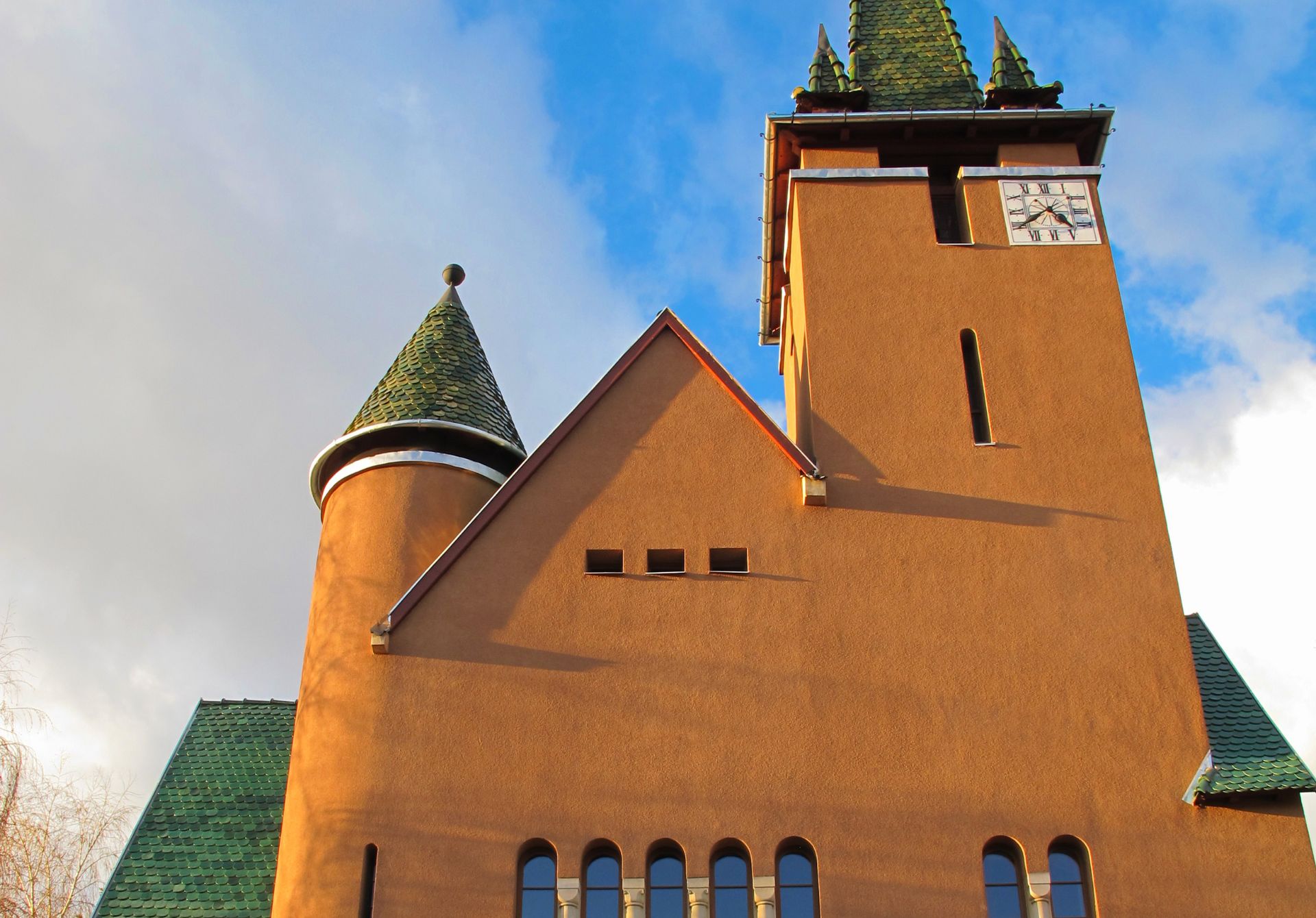
When wandering through the historic streets of Cluj-Napoca, you’ll encounter countless architectural treasures, but few are as captivating as the Reformed Church on Mihail Kogălniceanu Street. This isn’t just another church on your tourism checklist—it’s a living monument that whispers centuries of Transylvanian history through its Gothic arches and intricate stonework.
A Royal Commission with Gothic Grandeur
Picture this: It’s 1486, and King Matthias Corvinus of Hungary—one of the most powerful Renaissance rulers in Central Europe—decides to commission a church that would stand the test of time. What emerged over the next three decades, completed in 1516, was nothing short of architectural brilliance. The Reformed Church became one of Transylvania’s most valuable Gothic structures, and today, it proudly holds the title of the oldest Reformed church in Romania.
What makes this building so special isn’t just its age or royal pedigree. It’s the way the Gothic style comes alive in every detail—from the soaring heights that draw your eyes heavenward to the powerful stonework that speaks of medieval craftsmanship at its finest. Standing near the Tailors’ Bastion, one of the few remaining towers from Cluj’s medieval fortifications, the church forms part of a historic ensemble that transports you straight back to the Middle Ages.
Inside a Treasure Trove: What Awaits Curious Visitors
Step through the church doors, and you’re in for a delightful surprise. The interior might seem spare at first glance—that’s the Protestant aesthetic for you—but look closer, and you’ll discover layers of historical riches. The church houses the largest collection of Transylvanian coats of arms, a visual encyclopedia of the region’s noble families and their intricate heraldic traditions carved into wooden seats that line the nave.
Art and history lovers will find themselves drawn to several standout features:
- The Ornate Church Organ: A stunning rococo masterpiece in red and green that adds a splash of color to the otherwise understated interior. It’s not just decorative—this organ still fills the church with beautiful baroque music during concerts held regularly, particularly on Thursday evenings.
- The Wooden Pulpit: Delicately carved with remarkable craftsmanship, this piece exemplifies the fragile beauty that contrasts beautifully with the church’s imposing stone exterior.
- Historic Heraldry: The grand Hungarian coats of arms carved into the wooden seating provide a fascinating glimpse into the region’s complex political and cultural history, reflecting the Hungarian heritage that remains deeply woven into Cluj’s identity.
- Architectural Details: Gold and silver leaf adornments grace the lower sections, while the open spaces above create stunning acoustics—every footstep echoes with atmospheric gravitas.
Planning Your Visit: Practical Tips for Tourists
Here’s the good news for budget-conscious travelers: admission to the Reformed Church is completely free. The church welcomes visitors daily from 9:00 AM to 5:00 PM, giving you plenty of flexibility to work it into your Cluj-Napoca itinerary. Pro tip from seasoned visitors—arrive early in the morning for a quieter, more contemplative experience when the beautiful natural light streams through the windows at its best angle.
The church is conveniently located on 21 Mihail Kogălniceanu Street (historically known as Ulița Lupilor or Farkas Street), right in the heart of Cluj’s Old Town. You can easily walk here from Piața Unirii, the city’s main square, making it perfect for a morning or afternoon stroll through the historic center.
Why This Church Deserves a Spot on Your Itinerary
Let’s be honest—when you’re planning a trip to Romania, Cluj-Napoca might not be the first destination that springs to mind. But this vibrant university city in Transylvania offers an incredible blend of medieval charm and contemporary culture, and the Reformed Church perfectly embodies this duality. It’s been meticulously maintained and recently renovated, ensuring that visitors experience the building in its full Gothic glory rather than as a crumbling ruin.
What sets this church apart from other religious sites you might visit is its cultural significance for the Hungarian community in Romania. Approximately 95% of the Reformed Church’s congregation is ethnically Hungarian, and the church language is primarily Hungarian. This makes it a living cultural monument where you can experience the rich tapestry of Transylvania’s multi-ethnic heritage—a region where Romanian, Hungarian, and German influences have intertwined for centuries.
Beyond the Church Walls: Making the Most of Your Visit
Smart travelers know that the best tourism experiences happen when you connect the dots between nearby attractions. The Reformed Church’s location near the Tailors’ Bastion offers a perfect opportunity for a mini historical walking tour. After exploring the church, take a few minutes to admire the bastion—it’s the only remaining tower from Cluj’s medieval citadel and provides excellent photo opportunities.
If you’re lucky enough to be in Cluj on a Thursday evening, don’t miss the baroque music concerts that regularly take place inside the church. There’s something magical about hearing period music performed in a space built during the same historical era. These concerts typically start at 7:00 PM and offer an authentic cultural experience that goes beyond typical tourist activities.
For those working with concierge services or planning a comprehensive Cluj tour, consider pairing the Reformed Church with other nearby attractions. The Matthias Corvinus statue in Piața Unirii, St. Michael’s Church (the largest Gothic church in Romania), and the beautiful Art Nouveau buildings along Eroilor Boulevard are all within easy walking distance.
A Word on Cultural Sensitivity
While the Reformed Church welcomes tourists with open arms, remember that it’s an active place of worship for Cluj’s Hungarian Reformed community. Dress modestly, speak quietly, and be respectful if services are taking place during your visit. The church attendants are friendly and often speak good English, so don’t hesitate to ask questions—they’re usually delighted to share stories about the building’s rich history.
Wrapping Up Your Gothic Adventure
The Reformed Church in Cluj-Napoca stands as a testament to the enduring power of great architecture and cultural heritage. From its royal commission by Matthias Corvinus to its role as a centerpiece of Hungarian Reformed tradition in Romania, this Gothic masterpiece offers visitors an authentic glimpse into Transylvania’s complex and fascinating past. Whether you’re a history buff, architecture enthusiast, or simply a curious traveler looking to explore beyond the usual tourist trail, this 500-year-old church delivers an experience that’s both educational and deeply atmospheric.
With free admission, convenient hours, and a prime location in Cluj’s historic center, there’s really no reason to skip this gem. Add in the possibility of catching a baroque concert in an acoustically perfect medieval setting, and you’ve got all the ingredients for a memorable stop on your Transylvanian adventure. So when you’re planning your Cluj-Napoca itinerary, make sure the Reformed Church makes the cut—your inner history nerd will thank you.